
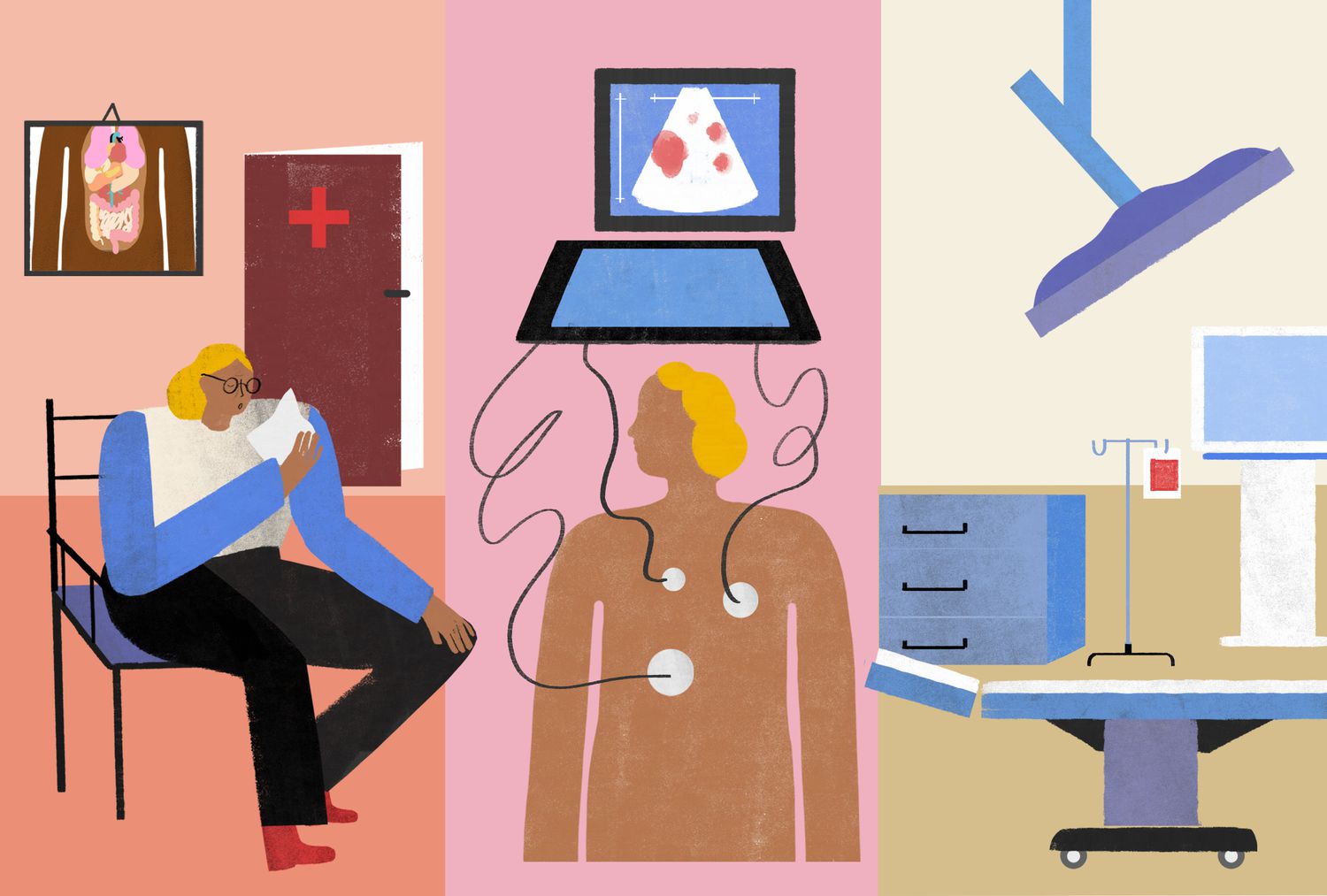
In medicine, there exist 4 levels of treatment: primary, second as well as tertiary and the fourth level, and quaternary. The care levels refer to the complexity of medical issues that healthcare professionals can treat, as well as the abilities and expertise of their providers.
Primary care includes consulting with your primary care doctor. Secondary care involves visiting a specialist, such as an endocrinologist or oncologist. Tertiary care is the specialized treatment in a hospital setting, such as kidney dialysis, heart surgery, or. Quaternary treatment is an advanced quality of care.
Table of Contents
Primary Care: Essentials
The majority of people are familiar with primary medical care. This is the primary point of contact for all your medical problems and symptoms. It is possible to seek primary care to address the following issues:
- Infection: You should visit your primary physician in the event of symptoms that are new or you develop an illness such as a cold, flu or another illness.
- Injury: You can be seeking medical attention for broken bones or a muscle strain, a skin rash or any other medical issue.
- Chronic health issues These conditions can be treated by your primary care physician to treat chronic illnesses like diabetes, high blood pressure or obesity, heart disease, depression, anxiety and other.
- Primary care Primary care is generally responsible for coordinating your treatment with specialists as well as different levels of treatment.
Additionally, you’ll likely consult a primary health care professional (PCP) regularly for wellness screenings and general exams as well as wellness visits.
Primary care providers can include:
- Doctors
- Nurse practitioners
- Physician assistants
There are specialty care areas that are also primary. For example, obstetrics and Gynecology (OB-GYN) specialists and geriatricians that treat patients with disabilities as well as doctors of pediatrics are primary health care specialists. They also focus on specific groups of people.
Many healthcare insurance contracts require you to choose the primary healthcare provider. In the majority of circumstances, you are able to choose an individual physician in your family an internist, OB/GYN, pediatrician or geriatrician.
Research has shown that primary care physicians benefit the health system through:
- Facilitating access to healthcare
- Providing better health outcomes
- The reduction in hospitalizations and emergency department visits
Secondary Care: Specialists
Secondary care happens when your primary health care provider refers you for specialists. Secondary care refers to the fact that your health care provider has shifted the care of you to a person with more expertise regarding the condition you’re suffering from. They will remain in communication with that specialist.5
Specialists concentrate on a particular system of the body or specific disease or health condition. Specialists can be identified by:
- Cardiologists, who are specialized in the cardiovascular system and blood vessels.
- Endocrinologists are specialists in the hormone system, which includes illnesses like diabetes and thyroid disease.
- Oncologists are specialists in treating cancers and most specialize in a particular type of cancer
There are occasions when issues develop during secondary treatment. They could be:
- The wrong specialist: Sometimes, doctors refer patients to wrong specialist. It happens because symptoms are often overlapping between various health issues. Your symptoms could indicate a problem, but it’s actually another issue that requires a different doctor.
- A lack of coordination in treatment: You could also have issues if you’re seeing multiple specialists and each treating a different issue. In some cases doctors aren’t able to manage your treatment. The ideal is for specialists to work together with your primary care health team to make sure everyone is aware of what recommendations the other doctors are making.
Tertiary Care and Hospitalization
If you’re hospitalized and require a more advanced level of specialist care that isn’t available in the facility you are at the doctor could recommend the tertiary health center.
While a secondary-care hospital tends to be a smaller hospital which isn’t equipped with specialized equipment hospitals that are tertiary care have access to the latest equipment and knowledge to treat specific, complicated health issues.
A few examples of medical procedures that are performed in tertiary care facilities include:
- Plastic surgery
- Neurosurgery
- Organ transplants
- The head and neck cancer
- Perinatology (high-risk pregnancies)
- Neonatology ICU (high-risk infant care)
- Trauma surgery
- High-dose chemotherapy to treat cancer
- Dialysis
- Coronary bypass graft for artery (CABG)
- Treatment for burns
Quaternary Care
Quaternary care can be considered to be to be an expansion of the tertiary health care. But, it’s more specific and unique.
Because it’s so specific that it is not the case that every medical center provides quaternary services. Some might only offer the quaternary treatment for specific health conditions or organs that are part of our body.
Other Types of Care
In addition to the four levels of care There are additional categories of healthcare that can be used to support your treatment. These kinds of treatment can be applied in more than one way. These include:
- Emergency care: Treatment for the most severe injuries or health issues can be provided by the emergency department of a hospital any time.
- Urgent treatment: It is generally in a clinic which specializes in urgent care for non-life threatening injuries or illnesses that require immediate attention.
- Hospice treatment: There are many types of hospice care available for those who are in the last stage of an illness with no cure. Alongside providing the person with a comfortable physical environment and assisting with their health concerns hospice care can also provide counselling and other services.
- Care for the long-term: This kind of care is available to those recovering from injury or illness, or who require continuous, permanent treatment. It could involve an aide to health arriving at the residence of a patient or the patient entering the long-term facility.
- Health care for the mentally ill: In this kind of treatment specialists treat social, emotional, or psychological disorders like anxiety and Post-traumatic Stress Disorder (PTSD) or other kinds of eating disorders.
Summary
The levels of care are a reference to the complex nature of the medical case, kinds of illnesses that a physician addresses and their specialties.
Primary care includes visiting your physician for issues such as acute injuries and illnesses and to arrange care with specialists. Secondary care includes consulting specialists, such as oncologists. Tertiary care is a greater degree of care that is specialized within hospitals. Quaternary care is the extension of primary care however, it is more specialized.