The retail industry is not immune to unpredictable events, especially in the fashion business, where trends change rapidly, and the preferences of the consumer alter almost in a flash. Retailers traditionally rely on their intuition and data from the past to predict trends in fashion; however, these methods often fail and can lead to overproduction, stockouts, as well as missed opportunities for sales. In the modern world of speed, AI fashion trend forecasting has revolutionized the fashion industry, allowing brands to forecast fashion trends with incredible accuracy and to manage their inventory effectively.
This article explains the ways that AI-powered fashion forecasting is revolutionizing the retail industry by providing better predictions, better inventory management, and an enhanced shopping experience.
What is AI Fashion Trend Forecasting?
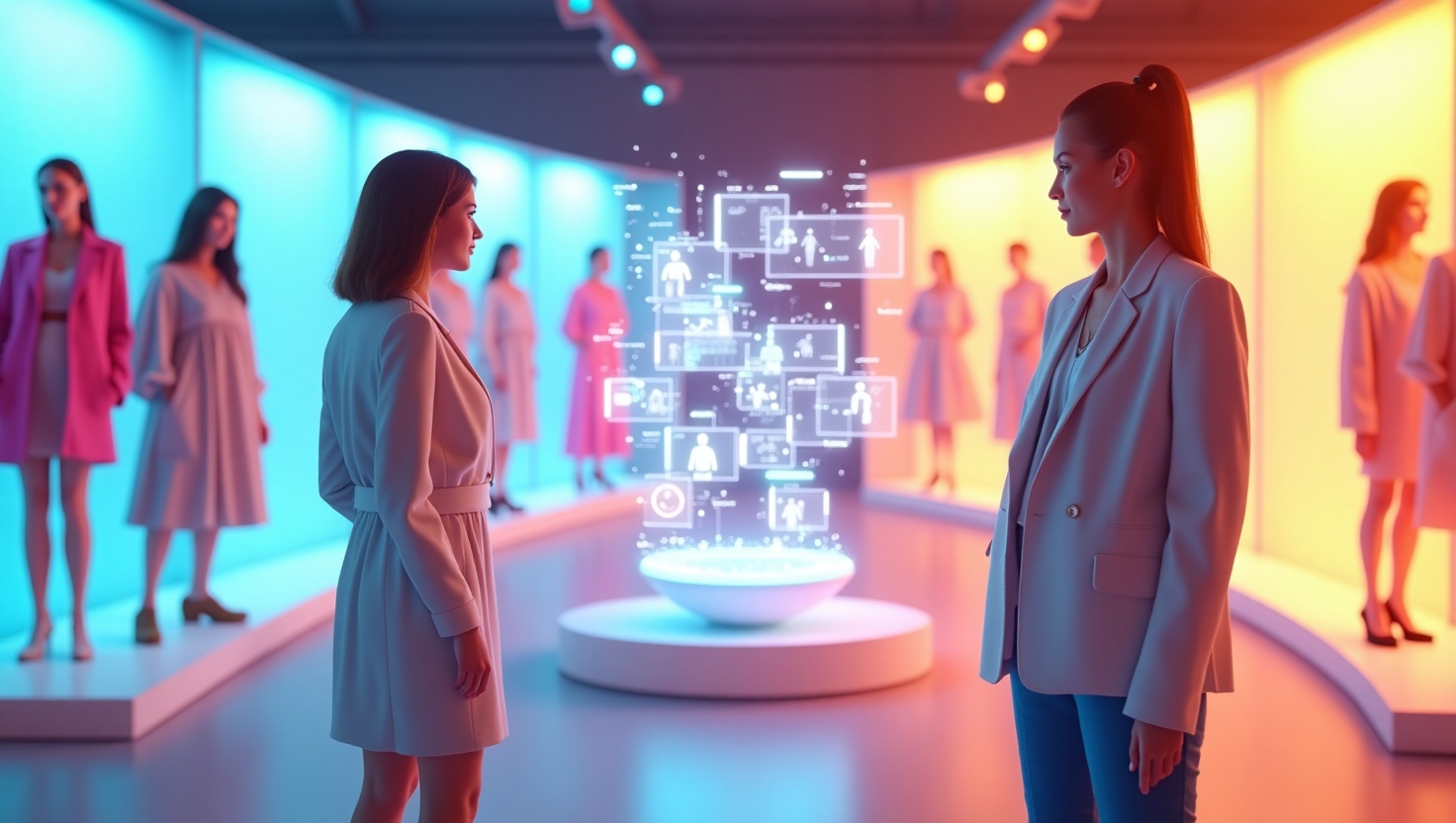
AI fashion forecasting uses artificial intelligence and machine learning to forecast future trends in fashion. Through the analysis of massive data like online shopping, social media activities, behaviors, global events, as well as consumer trends, AI models can identify emerging trends and consumer preferences with high precision.
Contrary to traditional forecasting, which is often based on historical data and instinct, AI processes real-time information and allows brands to predict changes in fashion before they become commonplace. This ability to predict trends allows retailers to make data-driven choices regarding everything from managing inventory to the development of new products.
Why AI Fashion Trend Forecasting Matters in Retail
Fashion forecasting has always been a major challenge for retailers. Improper predictions can result in excessive production, overstocked inventory, or stockouts. These problems can lead to price reductions, wasted resources, and loss of sales. But, thanks to A, I fashion forecasting retailer can stay clear of these issues and gain from the following advantages:
1. Improved Inventory Management
One of the most difficult issues retailers have to face is effectively managing their inventory. Insufficient forecasting could lead to excess production, leading to unsold inventory that must be sold off or eliminated, or stockouts, which result in lost opportunities to sell. AI forecasting fashion trends helps retailers to make more precise predictions, reducing waste by as much as 50% while ensuring items are in stock when consumers are looking for them.
By analysing live data from different data sourcsourcesmodelers can forecast the need for particular clothing items, which allows the retailers to design their production schedules in line with demand. This decreases the chance of stocking too much or not enough and leads to improved supply and happier customers.
2. Smarter Pricing Strategies
With AI, retailers can develop dynamic pricing models based on actual data. AI algorithms can alter prices according to variables like seasonality, demand, and price competition. This flexibility allows retailers to maximize profits and reduce marking on inventory that is not sold.
The dynamic pricing engine that is driven by AI makes sure that goods are priced based on the market’s conditions, making it easier for retailers to stay relevant in a highly competitive marketplace.
3. Enhanced Product Development
AI-powered fashion forecasting doesn’t just focus on forecasting what’s going to sell. It also aids in the design process. Designers and retailers can utilize AI to learn about new trends in consumer behavior and adjust their offerings accordingly. AI examines consumer behaviour and social media activities as well as other sources of data to identify patterns that indicate the next major trend.
Through the use of data-driven choices, designers can develop collections that are popular with customers and will be more likely to succeed in the marketplace. AI also assists in predicting the duration for certain styles, which allows retailers to change and adapt their offerings prior to when a trend is over.
4. Hyper-Personalized Shopping Experiences
Today, consumers expect an extremely customized shopping experience. AI allows retailers to customize their offerings according to individual preferences and habits. Based on past purchases as well as browsing history and other relevant data points, AI can recommend products that are a good match for a buyer’s dimensions, style, and preferences.
This degree of personalization leads to greater engagement and higher conversion rates, which leads to more sales and increased customer loyalty. Retailers using AI to create personalizatiocanto design targeted marketing campaigns and offer personalized promotions that cater to their customers’ preferences and preferences.
5. Real-Time Adaptation to Fashion Trends
Fashion trends can shift quickly. The social networks, the posts of influencers, and global events frequently result in rapid changes in consumer fashion preferences. AI fashion forecasting enables retailers to keep ahead of the curve by offering real-time information about the latest trends.
Through AI technology, retail stores are able to adjust their offerings swiftly to keep up with consumer demand. If it’s the case that they’re introducing a new style inspired by popular trends or ramping up production for a favored color, AI-driven trend forecasting guarantees that retailers are able to respond to market changes with aplomb.
AI Fashion Trend Forecasting and Custom Solutions
Implementing AI in forecasting fashion trends isn’t just about utilizing already-built tools. Many retailers are embracing custom AI solutions that meet their particular requirements. When they partner with experts who specialize in AI integration, fashion brands can develop customized solutions that are suited to their individual needs.
Custom AI solutions let retailers incorporate fashion forecasting models into their existing infrastructure, creating seamless data flow throughout their business. These systems can be developed to analyse specific data sources like local fashion trends or specific markets, helping retailers gain greater insight into their customers.
In addition, partnering with a software development firm ensures that AI-powered solutions are scalable and are able to grow with the company. When trends change and the market changes, these customized AI solutions can be adapted to incorporate new data to ensure that the forecasting models remain precise and current.
If you’re interested in implementing AI-driven solutions for your business, send an RFP for customized forecasting systems that are tailored to your requirements. This will ensure that you’re armed with the latest technology that will keep you ahead of your competitors.
How AI Fashion Trend Forecasting Fuels Digital Transformation in Retail
The rapid growth of AI forecasting fashion trends is a part of a wider digital revolution in the retail sector. A lot of retailers are spending money on digital transformation to improve their operations and customer experience. AI plays an important role in this process by aiding retailers in optimizing their inventory, simplifying supply chains, and offering more customized experiences.
As AI is integrated more into retail business operations, the opportunity for innovation is growing. Retailers who adopt AI-driven strategies can keep ahead of the competition and make better decisions, and enhance the customer experience from beginning to end. The ability to anticipate trends and quickly adapt can give these retailers a huge advantage in a competitive market.
The Role of Virtual Try-On Technology in Fashion Forecasting
A major development in the retail sector is the advancement of technology for virtual try-on. This AI-driven technology lets customers try on clothes online through their phones or computers, without having to go to a physical store.
Virtual try-on technology gives shoppers seamless shopping experiences and assists retailers in reducing returns, which is an issue for fashion. With the integration of artificial intelligence-driven virtual try-on systems together with fashion forecasting and forecasting, retailers can make sure that the items customers “try on” align with the latest trends. This leads to happier customers and fewer returns.
Conclusion: The Future of AI in Fashion Retail
The future of retail fashion is undoubtedly connected to AI. As AI technology advances and improves, the ability to forecast the trends in fashion, control inventory, and customize customer experience gets more precise. Retailers who take advantage of the use of AI to forecast fashion trends will be better placed to compete in a fiercely competitive marketplace.
Through the use of AI, retailers can make more informed decisions about the development of products, pricing, and inventory management. This results in higher profits and greater engagement with their clients.